Human medical dispensary project in rural areas, with 3 consultation rooms, 2 treatment rooms, 1 isolation room, pharmacy and doctor's service accommodation (2024)
Studio: Archos2002 and Arhipera
Collective: arh. Lorin Niculae, arh. Irina Scobiola, stud. arh. Mihaela Oancea, stud. arh. Ana Alecu, stud. arh. Andreea Ralea, stud. arh. Silvia Niculae, stud. arh. Irina Ursea
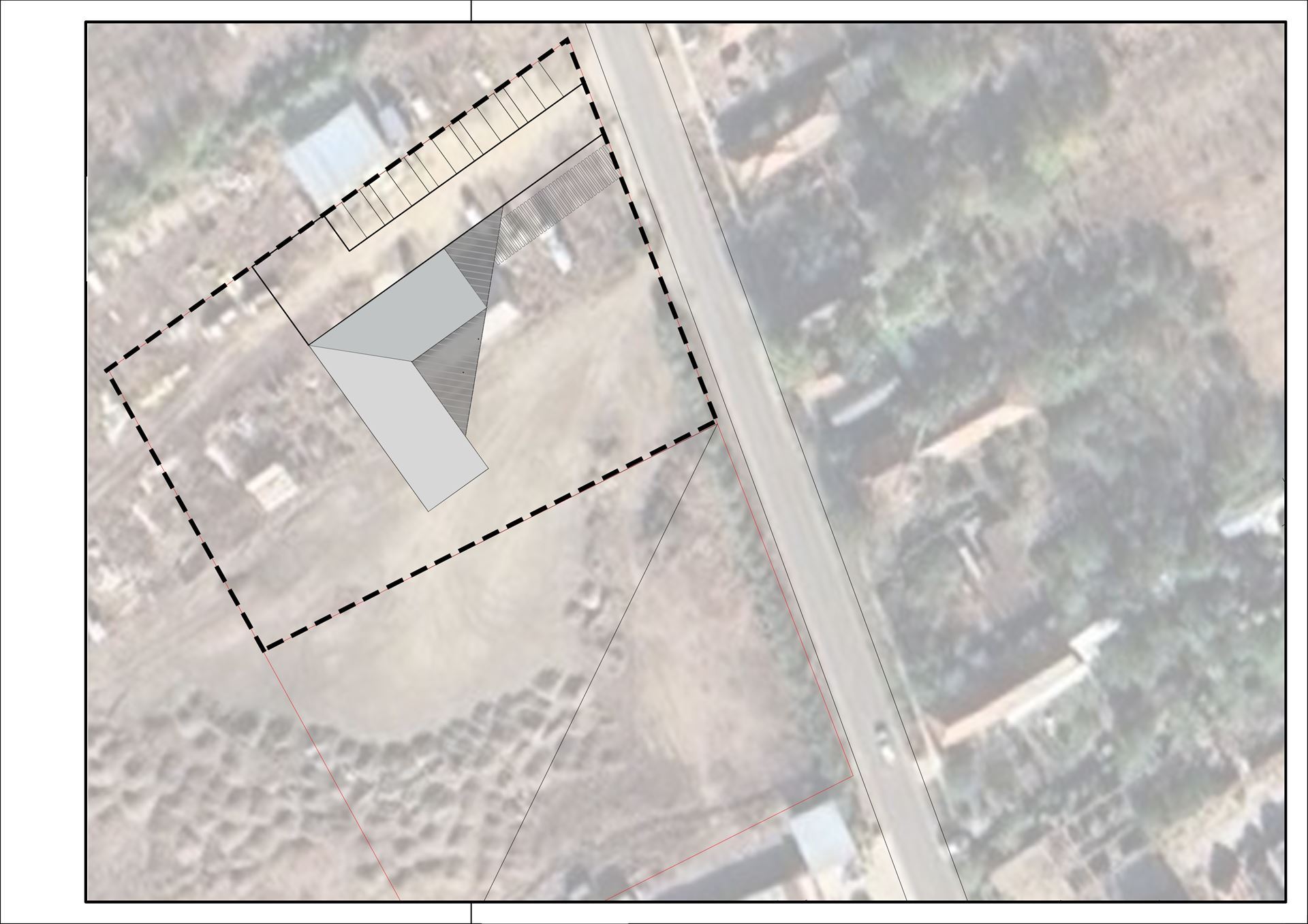
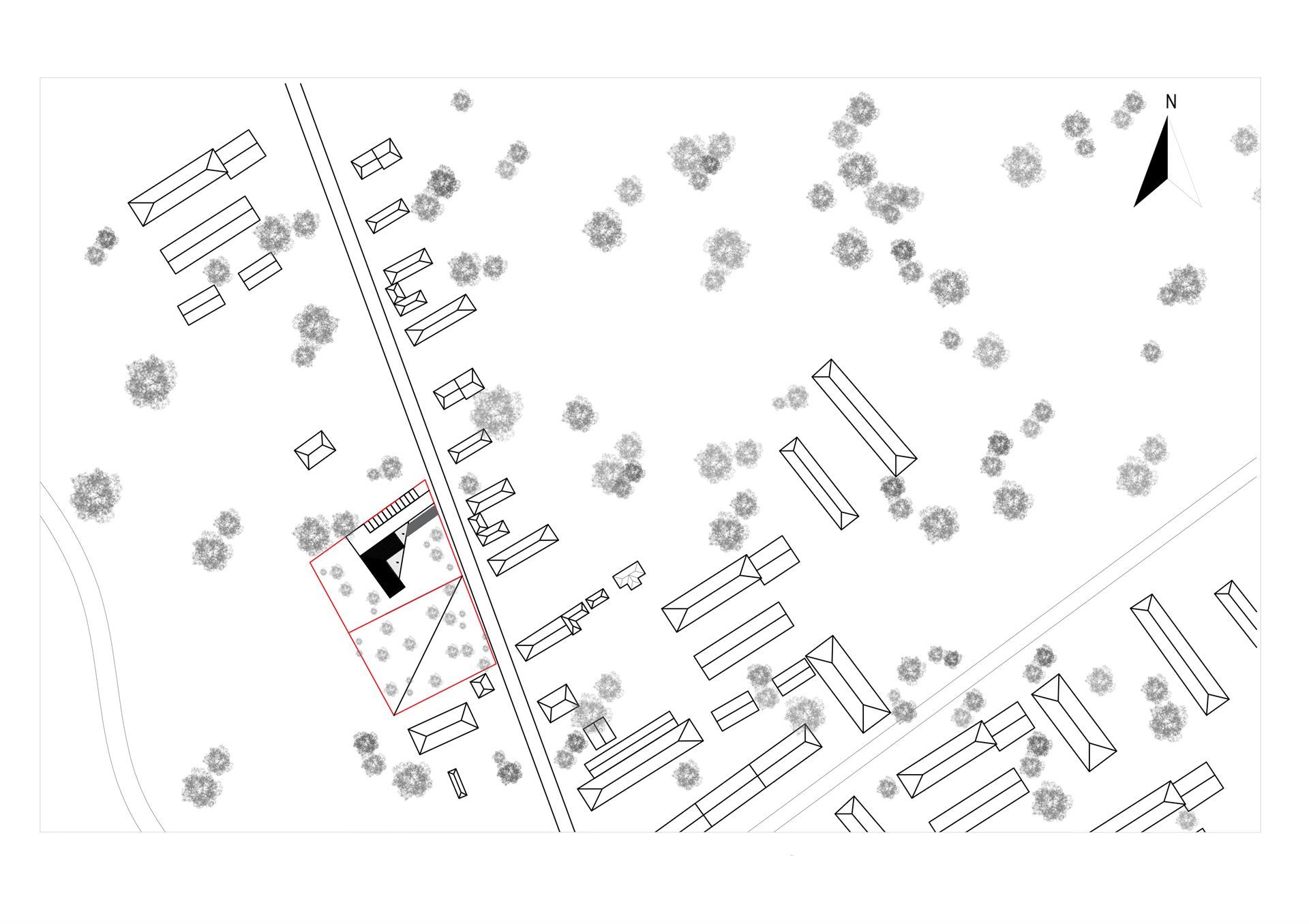
S land = 4849.74mp
Building floor area = 372.19sqm
Built area accesses, driveways, sidewalk = 550sqm
Parking spaces 14 (paving stones) = 175sqm
S green spaces = 2212.32 sqm
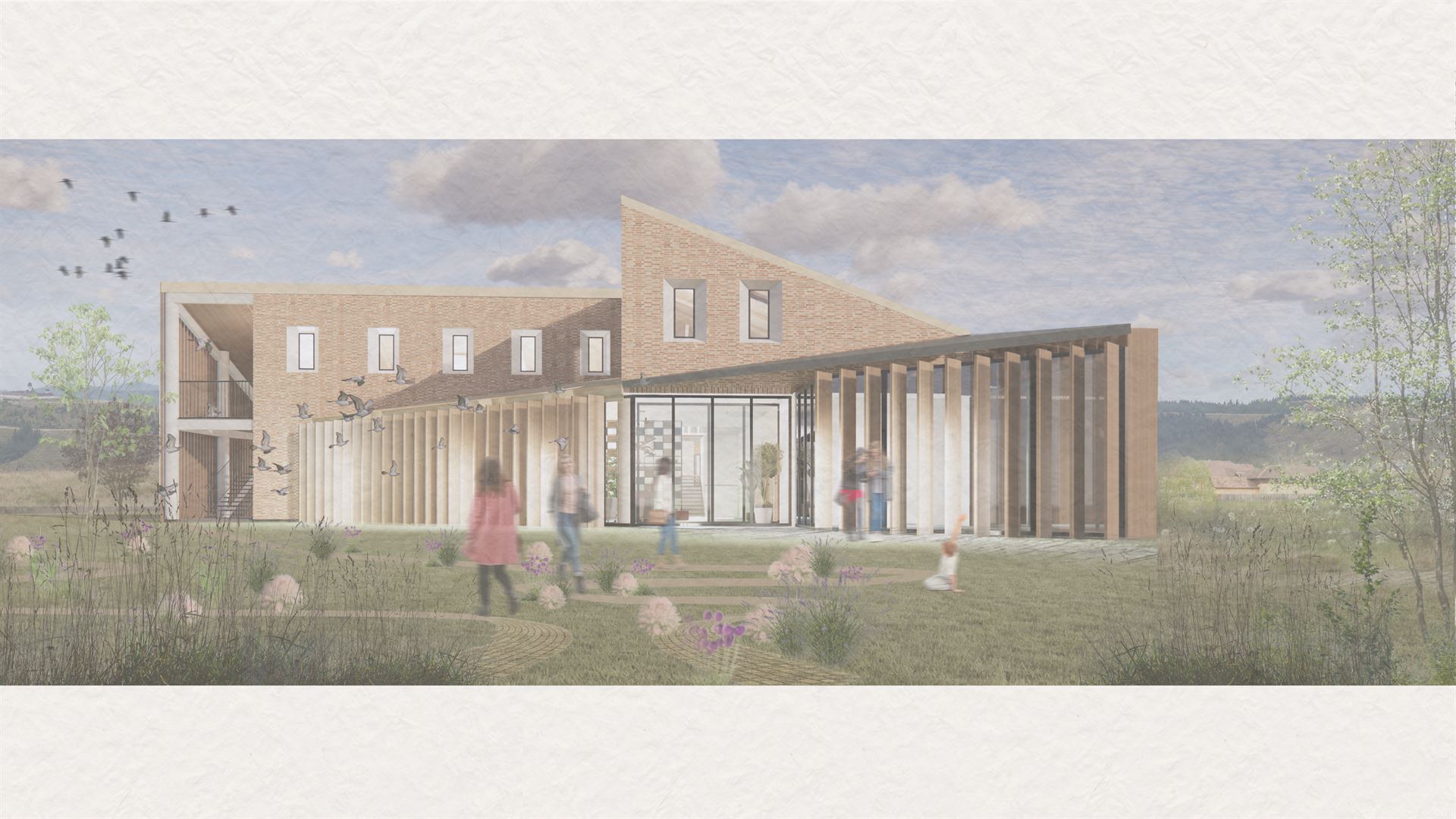
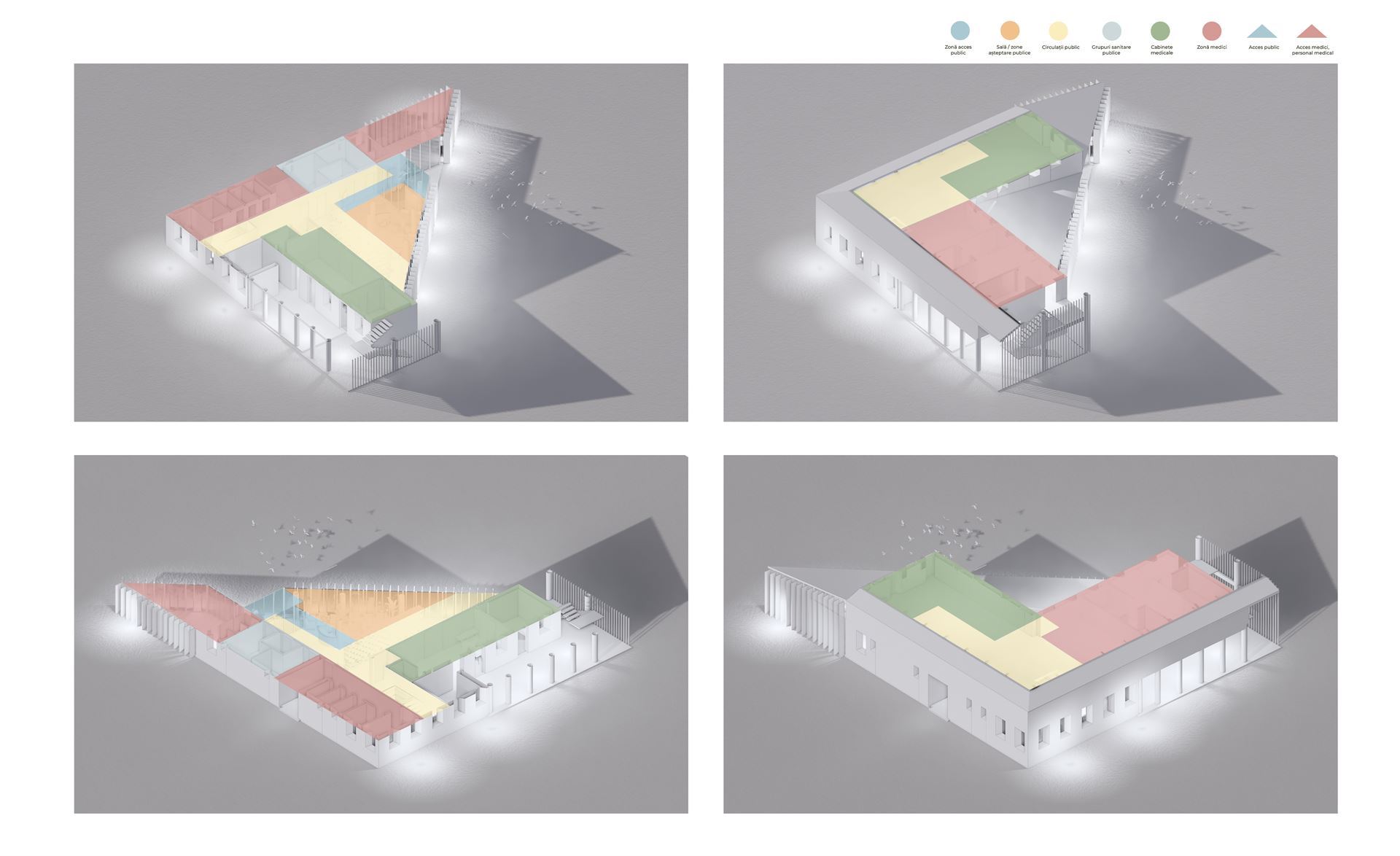
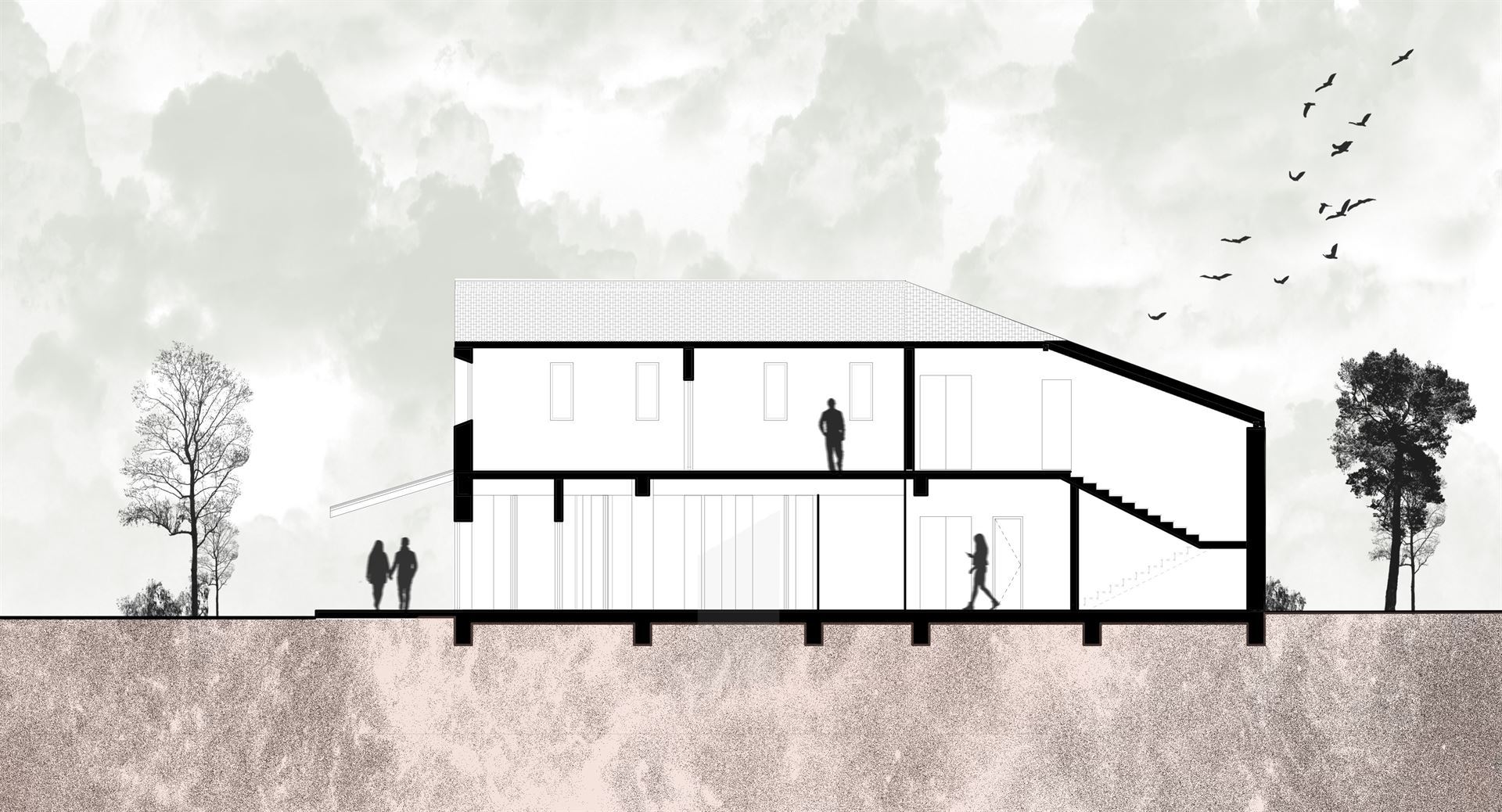
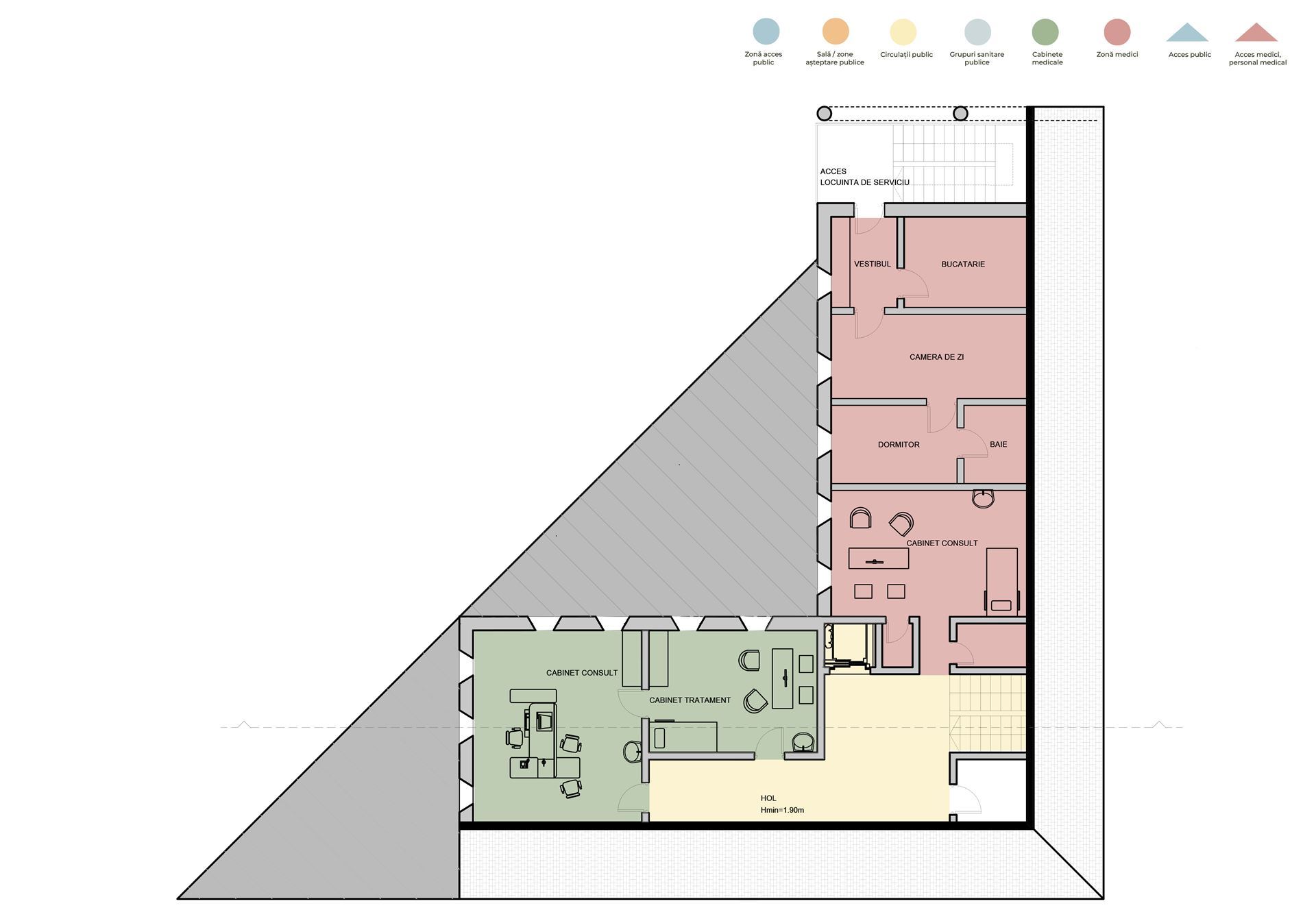
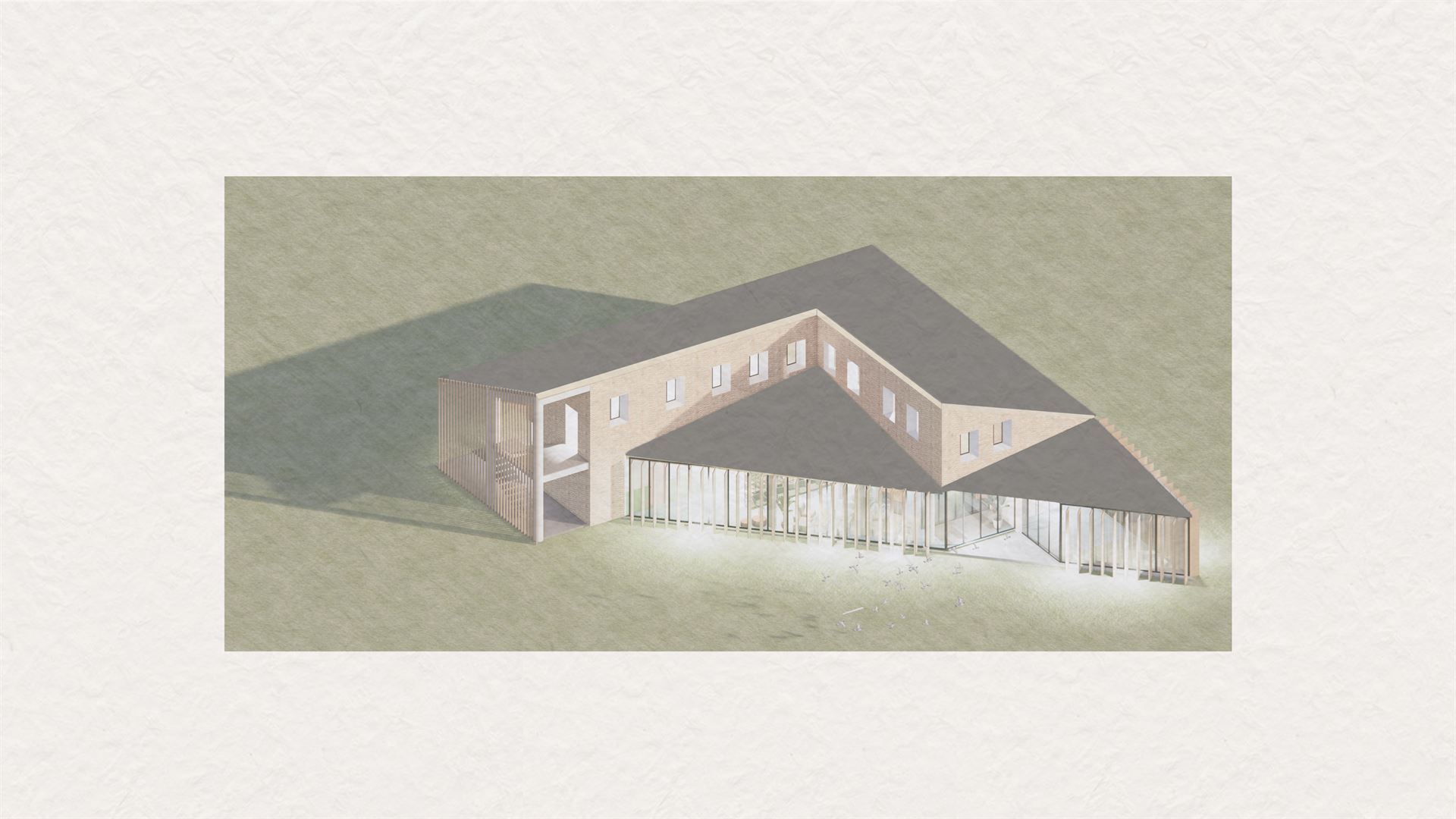
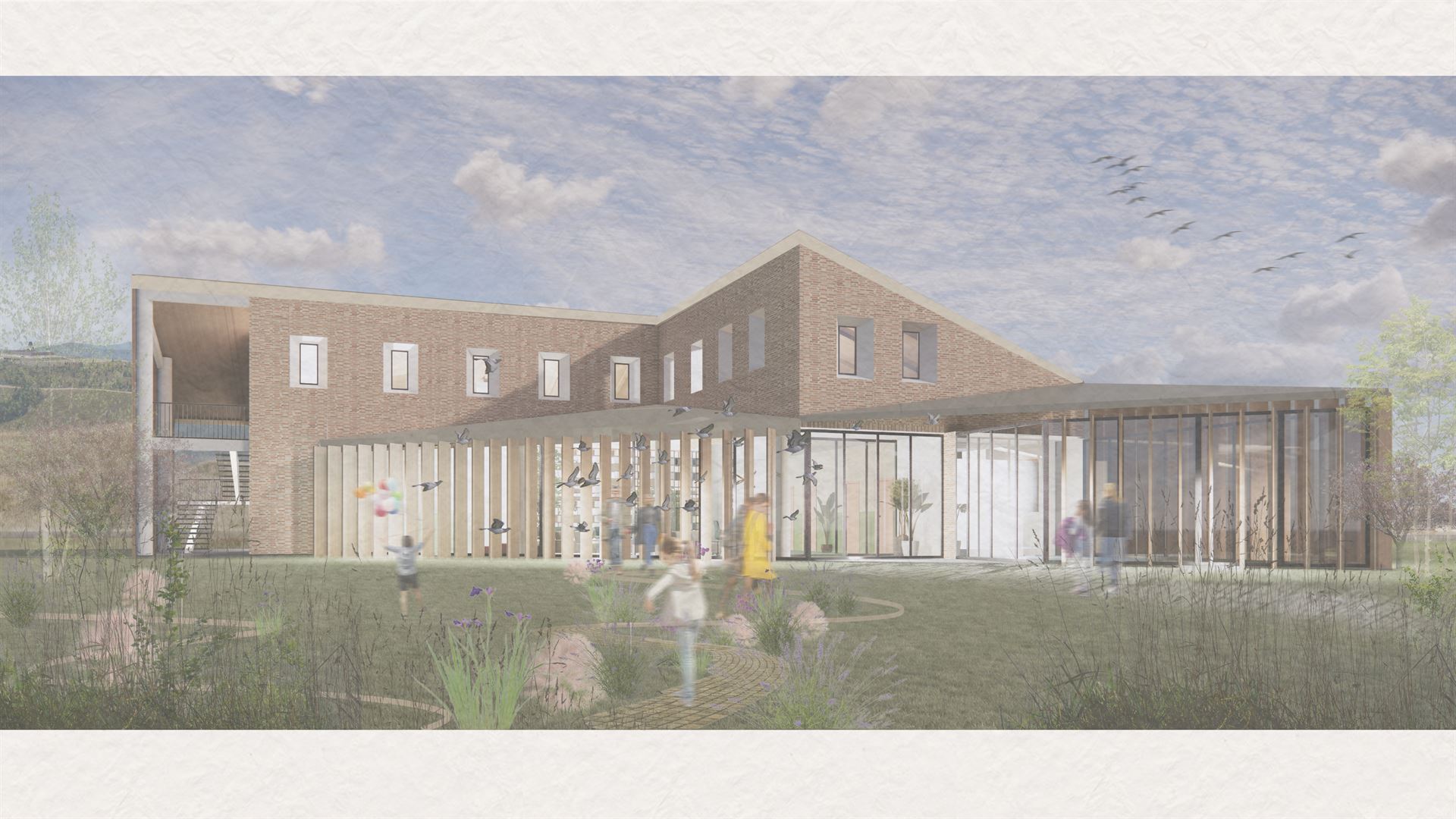
The medical center is an illustration of the theme designed by the team of the book ,,The architecture of medical centers in rural areas. Guide of good practices'' (2024), in order to illustrate the principles stated. The building, with its articulated bar typology, has two levels, connected by a staircase and an elevator. At the intersection of the two bars are the reception and waiting room. The ground floor houses a pharmacy, consulting rooms and treatment rooms, while the first floor houses a surgery, a multi-purpose space and the doctor's living quarters, which also have direct access from the outside.
Visitor access is at grade, by slightly raising the elevation of the systematized terrain in the vicinity of the building. It is well marked and provides protection from the elements.
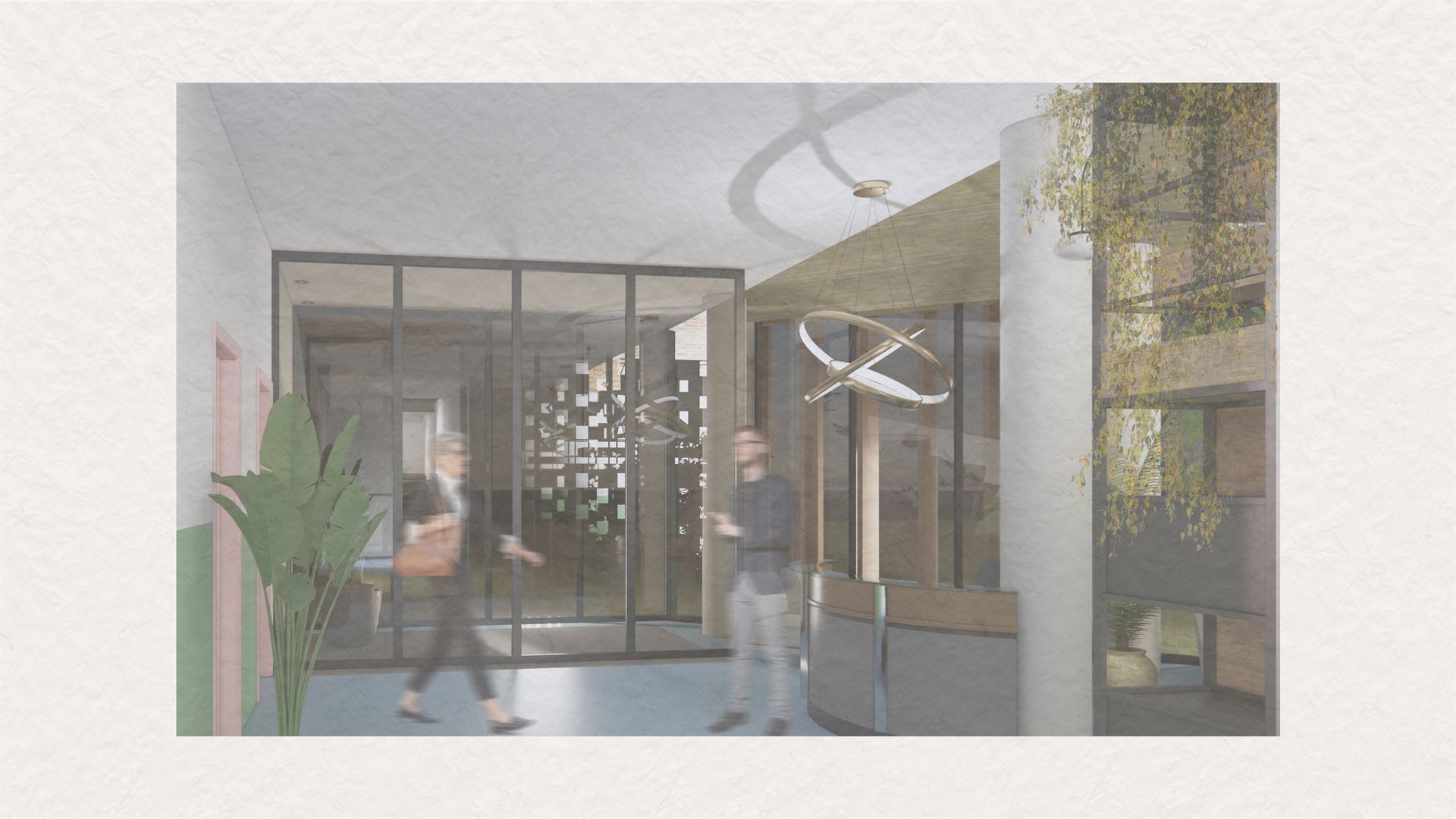
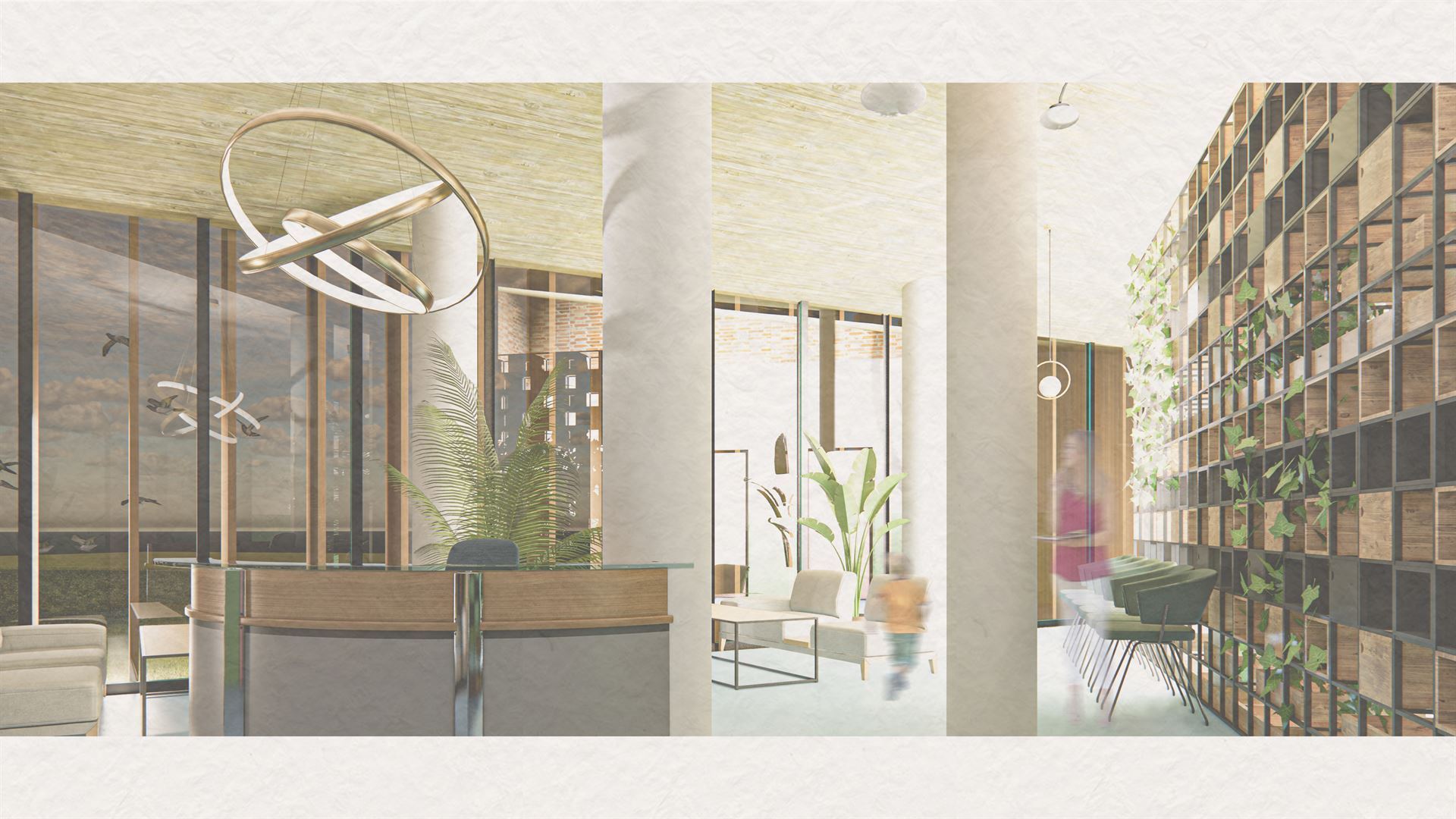
The dominant space is the waiting room connecting the two levels of the building. The biophilic design of this space achieves positive patient distraction. Outside is a therapeutic garden in direct relation to the waiting room. The consultation rooms and treatment rooms have large terraces with protected outdoor views.
Project that appeared in the book ,,Architecture of health centers in rural areas. Good practice guide'' (2024), chapter ,,Theme illustrations: 4 projects''.
*
AP1.13 "Healthy Villages" Call for Projects No. 1 "Improving access to health services especially for vulnerable groups, including Roma", program coordinated by the Ministry of Health and implemented in partnership with the Municipality of Beica de Jos, funded under the Program "Public Health Challenges at European Level" - EEA Financial Mechanism 2014-2021